
Every year around 21st December, the Northern Hemisphere reaches a powerful turning point: the winter solstice. It’s the shortest day and the longest night of the year – a moment when the sun appears to stand still before slowly beginning its return. Across cultures and spiritual traditions, this day has been honoured as a time of renewal, reflection, and rebirth.
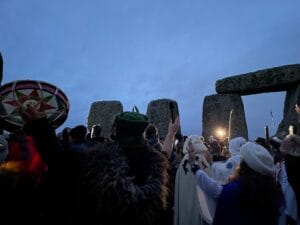
What is the Winter Solstice?
Astronomically, the solstice marks the moment the sun reaches its southernmost point in the sky, creating the year’s longest night.
Spiritually, many traditions view it as a cosmic reset – a pause between cycles, a moment to breathe, reflect, and realign your inner world.
However, the winter solstice isn’t just an astronomical event. It’s a symbolic threshold, a reminder that even in the deepest darkness, light is already on its way back.
What are the spiritual meanings of the Winter Solstice?
1. A Time for inner reflection
The long, quiet nights naturally invite us inward. Many spiritual traditions see this as a moment to slow down, meditate, and listen to your inner voice.
2. Rebirth of the sun
The solstice symbolises the return of light – not just in the sky, but within ourselves. It’s a reminder that growth often begins in darkness.
3. A fresh start
Because the solstice marks the beginning of a new solar cycle, it’s often associated with new beginnings, intention‑setting, and releasing what no longer serves you.
4. Honouring the balance of light and dark
Even though the night is long, the turning point toward brighter days begins here. Many cultures see this as a sacred balance – a reminder that both darkness and light have purpose.
5. A moment of stillness
Spiritually, the solstice is a pause – a threshold between chapters. It’s a chance to reset your energy, reconnect with your purpose, and prepare for the year ahead.
How do cultures around the world celebrate the Solstice?
Yule (Pagan & Wiccan Traditions)
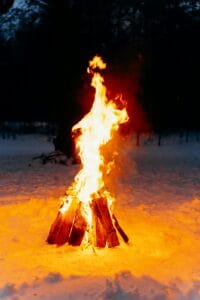
Yule celebrates the rebirth of the sun. Traditions include lighting candles, burning a Yule log, decorating with evergreens, and gathering with loved ones.
Dongzhi Festival (China & East Asia)
Dongzhi marks the return of longer days and emphasises family unity. People gather to eat warm foods like tangyuan (sweet rice dumplings).
 Inti Raymi (Inca Tradition – Southern Hemisphere)
Although celebrated in June in the Southern Hemisphere, it mirrors the solstice theme: honouring the sun’s return and giving thanks for its life‑giving energy.
Scandinavian Traditions
Bonfires, feasts, and evergreen decorations symbolise warmth, protection, and the promise of returning light.
Indigenous North American Traditions
Many tribes hold ceremonies honouring the sun, the cycles of nature, and the wisdom of winter.
Modern ways to celebrate the Winter Solstice
You don’t need an ancient ritual to honour this day. Many people create their own meaningful traditions, such as:
- Lighting candles to symbolise the return of light

- Reflecting and journaling about the past year and intentions for the next
- Meditating or practicing breathwork
- Hosting a solstice dinner with seasonal foods
- Visiting a stone circle where you can experience ancient rituals
- Taking a quiet nature walk to reflect on the season and reconnect with nature
- Creating a release ritual (writing down what you want to let go of and burning it safely)
- Setting intentions for the new solar cycle

These practices echo the solstice’s core message: slow down, reconnect, and welcome the light.
Why does the Solstice still matter today?
In a world that moves fast, the winter solstice offers something rare: a natural invitation to pause. It reminds us that cycles of rest, reflection, and renewal are not only normal – they’re necessary. As the sun begins its slow return, we’re encouraged to do the same: to rise, to grow, and to step into a new chapter with clarity and intention.
Solstice blessings to all of you 🙏 ✨